I hired Hermes as a Member of Lopes Staff
· 16 min read
An always-on local agent that runs my wife's and my life from a Mac mini
A few weeks ago at NY Tech Week I gave a talk on centralizing dashboards and agentic workflows in OpenBB Workspace. At the end I talked about how I'm seeing more analysts and quants using Claude Code and Codex to drive their work - and so we need to adapt the workspace to make it (even more) agent first.
That is why we announced Workspace MCP: it exposes the workspace (dashboards, widgets, data, apps, skills) as a set of MCP tools, so an agent can read data, build dashboards, and assemble whole apps.
If agents are going to drive this workspace for real analysts, I need a way to measure how well they navigate it. That led me to build WorkspaceBench: a vanilla harness, a simulator of OpenBB Workspace, realistic tasks, and graders that evaluate the agent's output.
In order to build this, I got inspired by:
I wanted to bring some of these concepts to an actual financial workspace.
I can't recall last side project that took me as much time as this one. A lot of iteration and killing it and starting from scratch.
Initially I gave the reasoning and strategy to Fable, and let it come up with the how - i.e. how tasks are defined, what tools are used, initial dashboard setup, etc.. after a few iterations I actually liked the staircase of results I was seeing from the models on the tasks, and so thought we were almost done...
Except that when I went to dig into how the tasks were set up, expecting that my mental model for how it should look had been implemented 1:1 - it was actually not there at all. Not only was there a lot of fluff (like variables that didn't add anything to what we wanted to test), but I felt that many tasks were not super representative of what a user does in the workspace. E.g. some tasks were phrased as "use add_generative_widget markdown_note widget with text 'The revenue of AAPL is X'" - which is really stupid when you think about it. Instead I was expecting something like "Add a note to the dashboard with the revenue of the company in the dashboard". This means that the model has to reason about which company we are looking at, which widget contains the revenue data, and then the format on how that is output.
During this time period OpenAI released a post criticizing SWE Bench pro which really hit home for me. Reminds me of the acronym LATFD ("look at the f*cking data"). And the longer I avoided doing it, the more I felt like I was building on a sand foundation.
Don't get me wrong, Fable was still a major driver of what I've done here. But I almost scratched everything and started from start with a stronger foudnation and only gave the model certain degrees of freedom - and always checked the underlying tasks to ensure that it was on the right track.
This post will walk you through everything that was done, including: the workspace simulator, the datasets we used, what a task file is made of, what are we evaluating, the final results and what's next.
I hope you enjoy this more technical deep-dive into creating a financial workspace benchmark from scratch. I'm sure there are better ways to create benchmarks, but in this post I'll walk you through my thinking process and how I build it from scratch.
Bring your existing web apps into OpenBB Workspace and make them part of the workflow. The new iframe widget lets Streamlit dashboards and internal tools share parameters, export data into the Workspace, and connect to AI agents.
Long running agents as a category will likely be won by the labs and opportunity for startups is to use SLMs around customer use-cases/workflows with all the context they are sitting on.
Workspace MCP lets Claude Code, Codex, and any MCP-compatible agent do real financial work inside your environment, on your data, governed from the start.
My journey of using codex to beat ChipWits on Steam.
The most expensive part of a research workflow isn't the analysis. It's rebuilding the same process from scratch every single time. See how Skills change that.
It researched the SOTA, cited related work, drew architecture diagrams, and produced a 6-page IEEE-style paper.
Software that builds itself over time is closer than you think.
When agents can work in a loop while you do something else, time is removed from the equation. Welcome to the era of on-demand software.
Opus 4.5 run with my vision of a better Pokemon vault website and I just sit there and watched it do it end-to-end.
I shipped a working app in 15 minutes by rambling at Claude, and that's not the scary part.
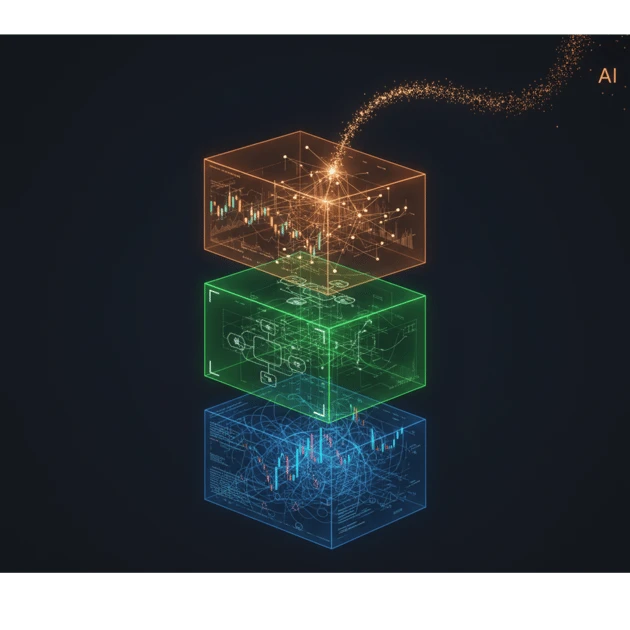
Stop adding business logic to your datasets.
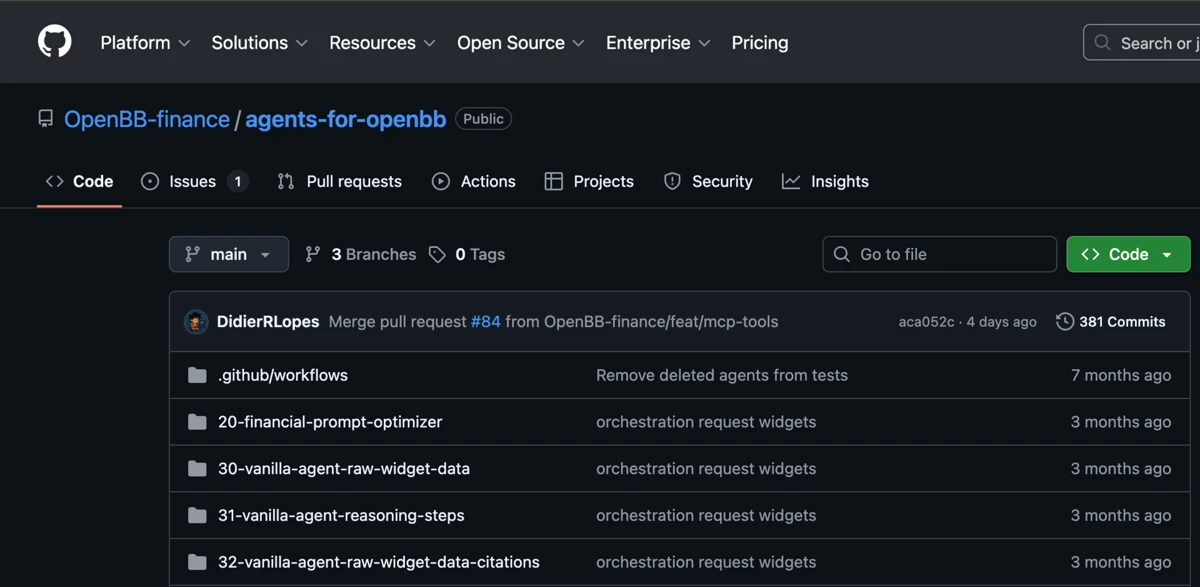
How I quickly hot-swap my financial agent with different LLM providers - fully open source.

Mapping the evolution of AI agents in finance from ChatGPT wrappers to derived data insights - and why the real value is shifting from interfaces to intelligence.
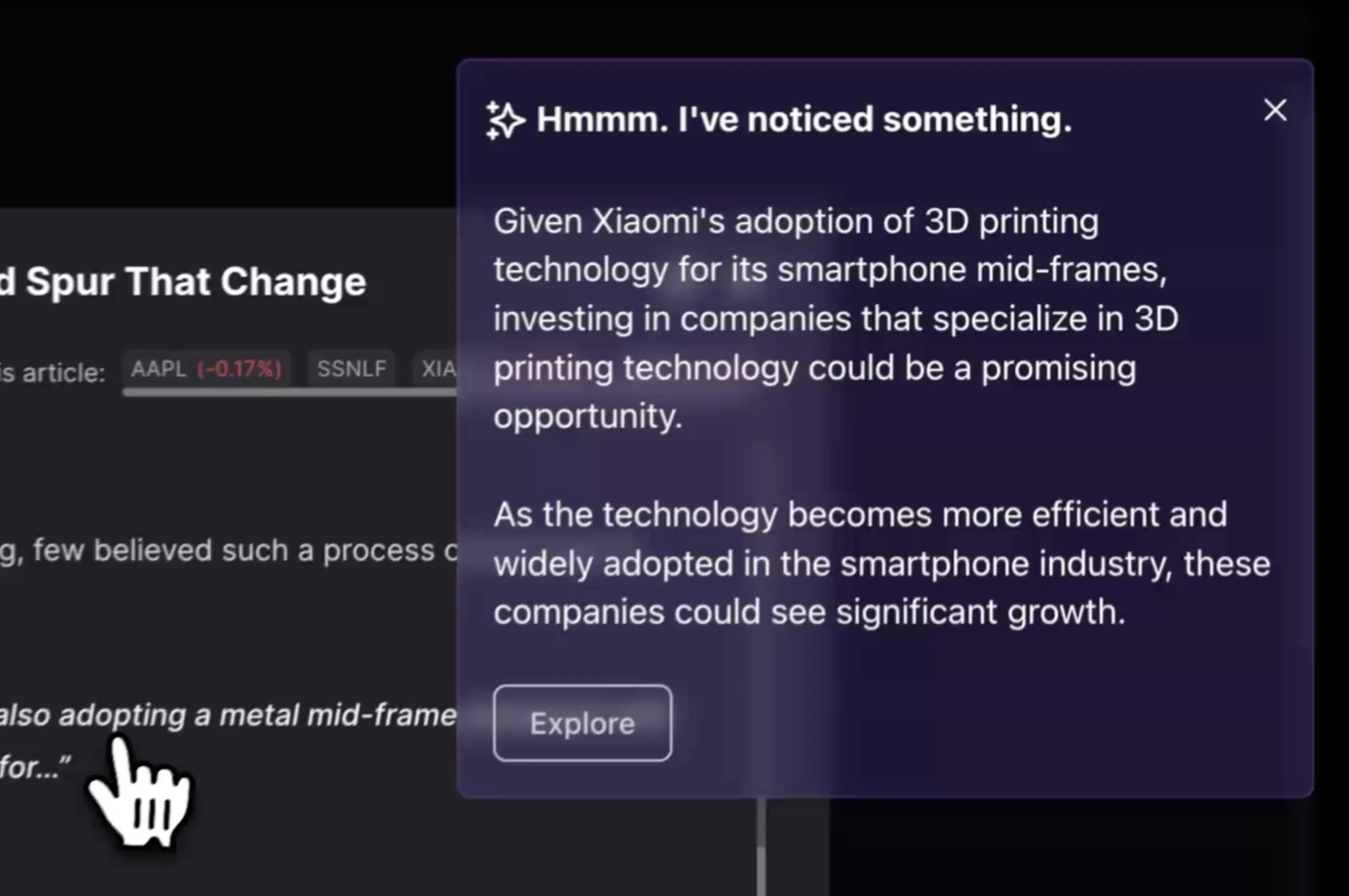
How AI is evolving from reactive to proactive in financial services, and why this shift will transform how investors discover opportunities and generate alpha.
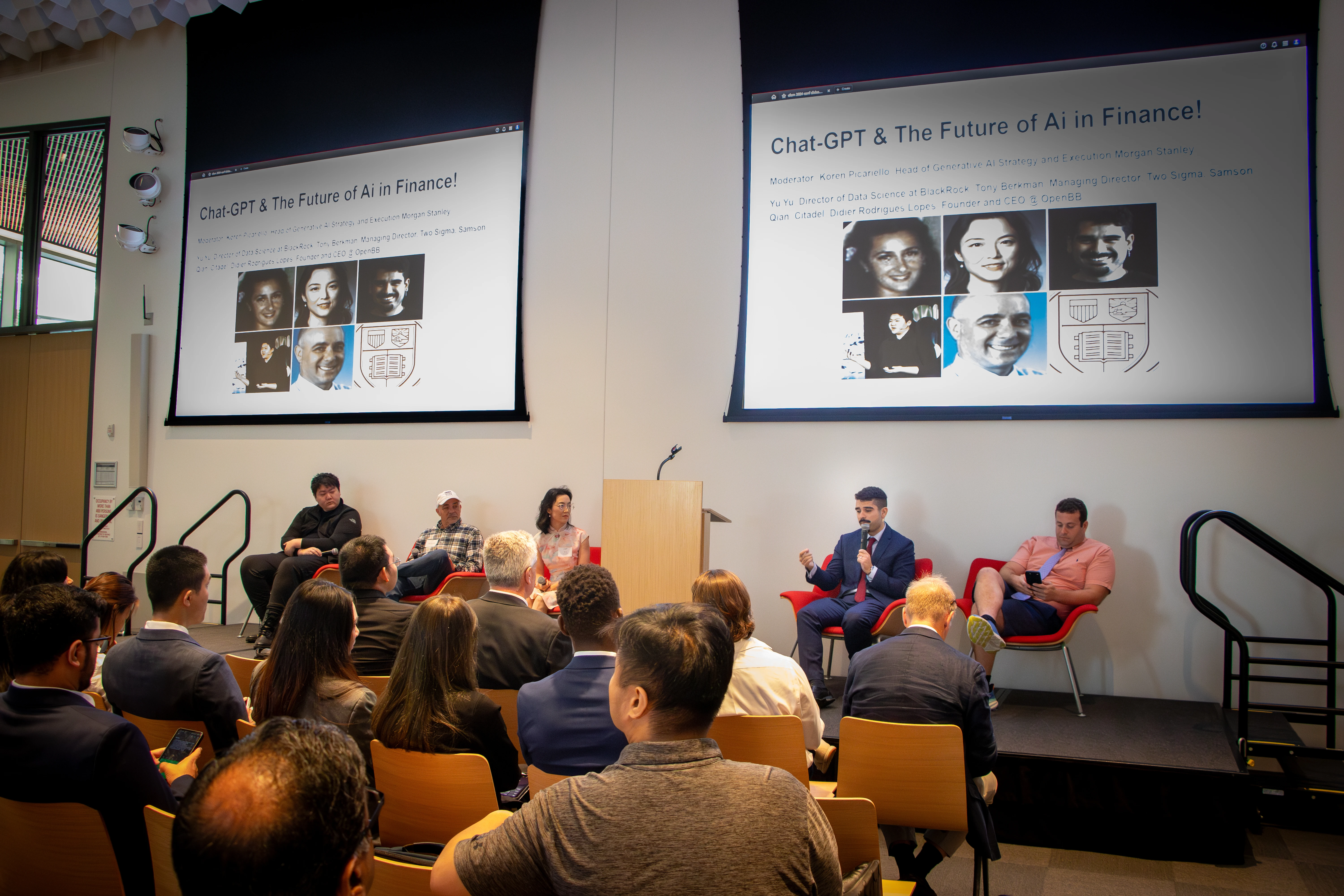
I took the stage at the Cornell Quant Conference alongside Yu Yu (BlackRock) Tony Berkman (Two Sigma), and Samson Qian (Citadel), to discuss ChatGPT & The Future of AI in Finance.
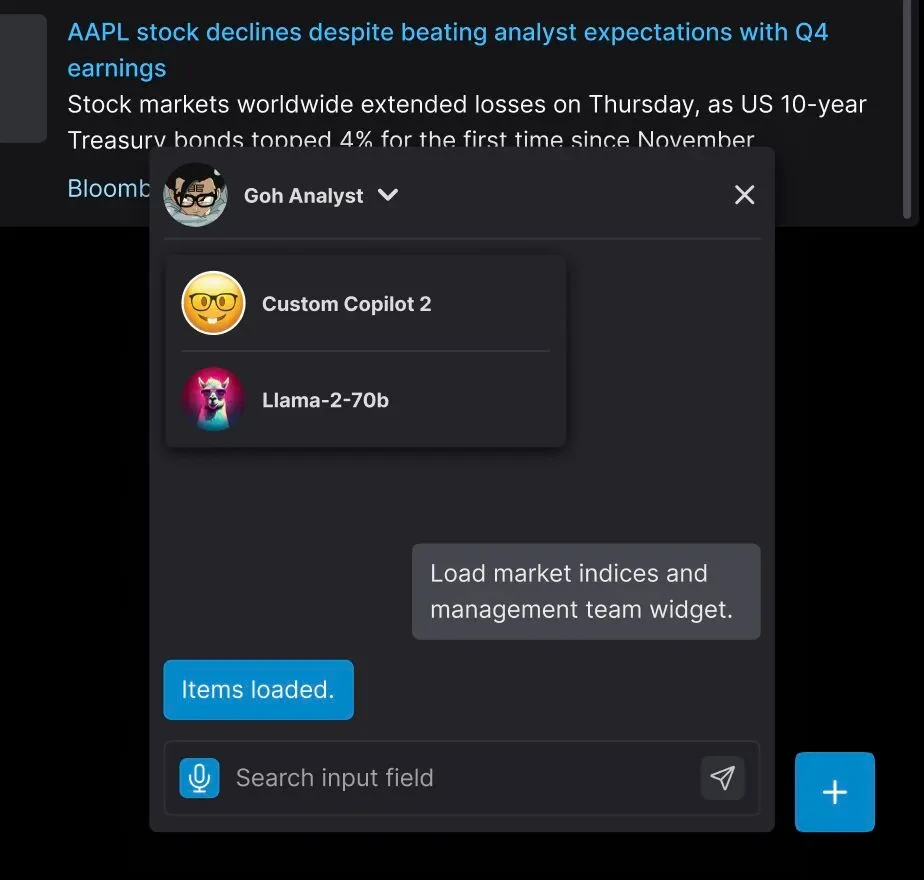
Companies will own multiple fine-tuned LLMs/SLMs for specific tasks.
Our Platform aims to empower the OpenBB Copilot, an AI-powered financial analyst, to perform tasks ranging from knowledge retrieval to fully autonomous analysis. The architecture involves task decomposition, tool retrieval, and subtask agents, showcasing impressive results in both deterministic and non-deterministic workflows. Read on to explore its capabilities and don't forget to watch the demos.
The open source code is available here.
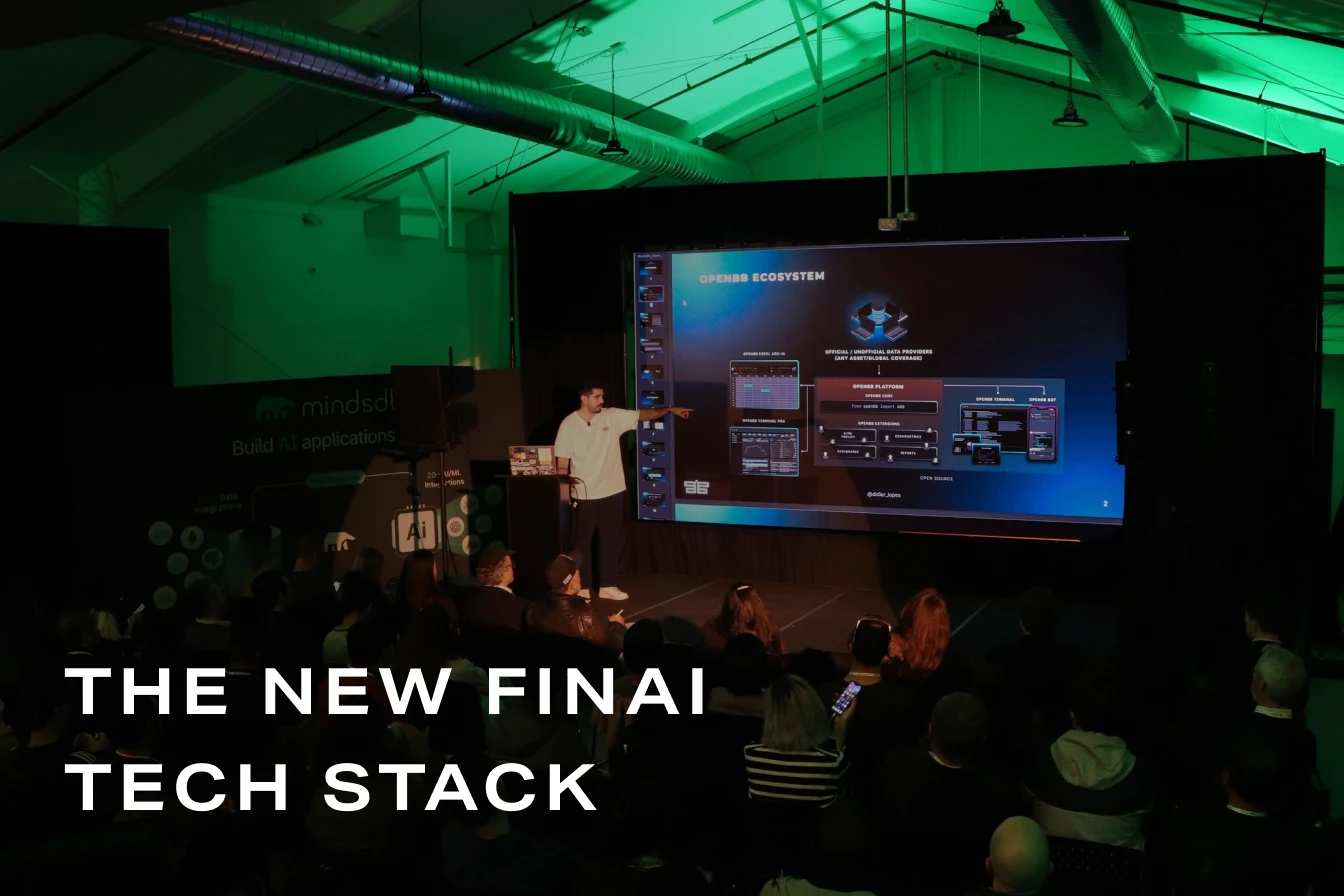
This blog post delves into how our collaboration with MindsDB, Nixtla, LlamaIndex, and Langchain is revolutionizing the financial world. Read on to learn all about the event "The New FinAI Tech Stack" held last week in SF, California.
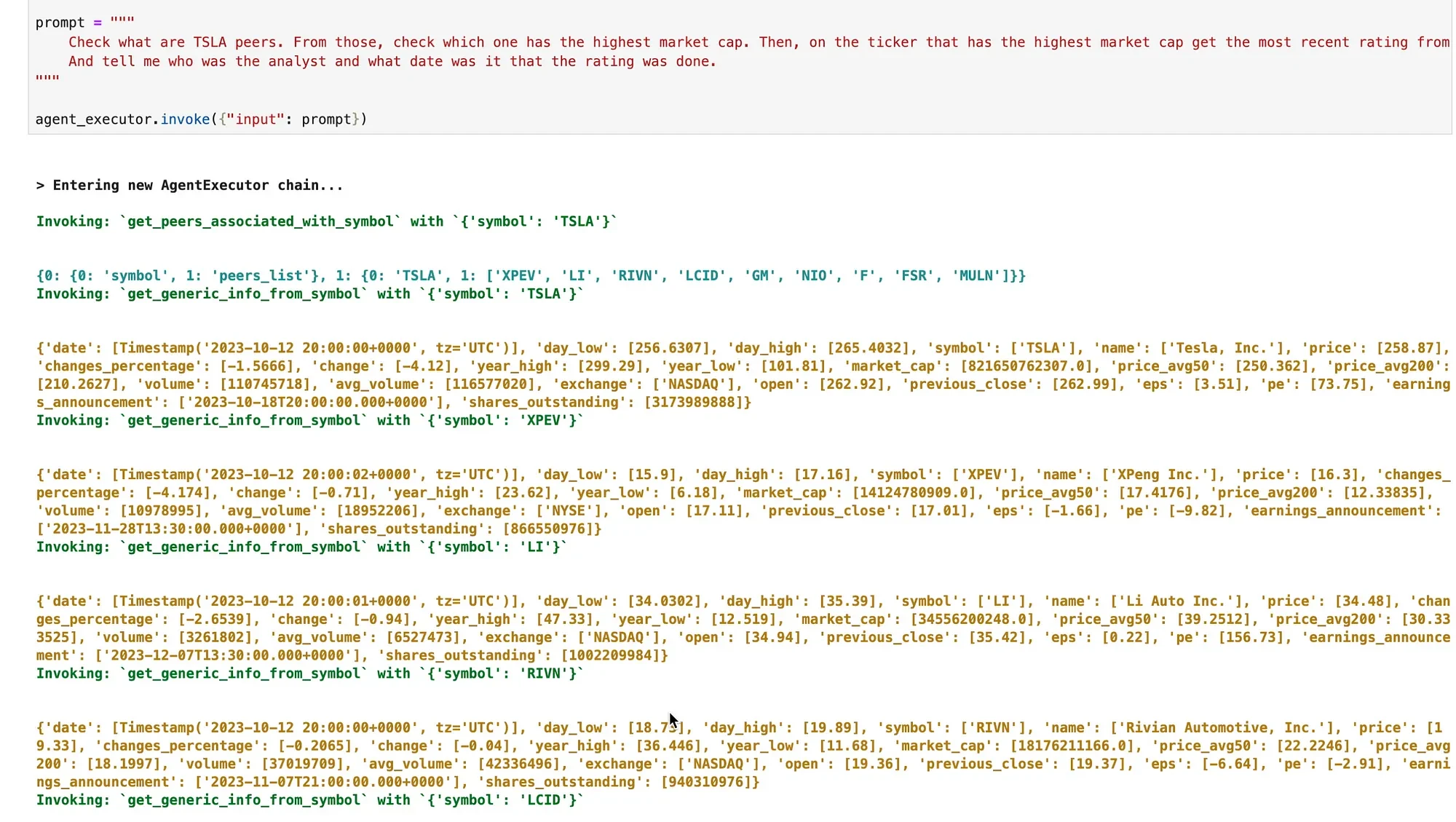
This blog post discusses our $500k investment in building the best platform for AI using financial data. We focus on the rebranding of OpenBB SDK to OpenBB Platform, its features, and the potential payoff of this bet in 2024.
The open source code is available here.